Yang Sheng Dining Is Singapore's Hottest Food Trend in 2026 — Here's Where to Try It
養生: nourishing life. The traditional Chinese eating philosophy has found a new audience in Singapore's fine dining and wellness café scene.

There's a phrase doing quiet work in Singapore's food scene right now: 養生 (yǎng shēng). Literally 'nourishing life', it refers to a traditional Chinese philosophy of eating to strengthen the body, balance internal systems, and promote longevity. What was once grandmother's advice is becoming 2026's most interesting dining trend.
What Yang Sheng Actually Means
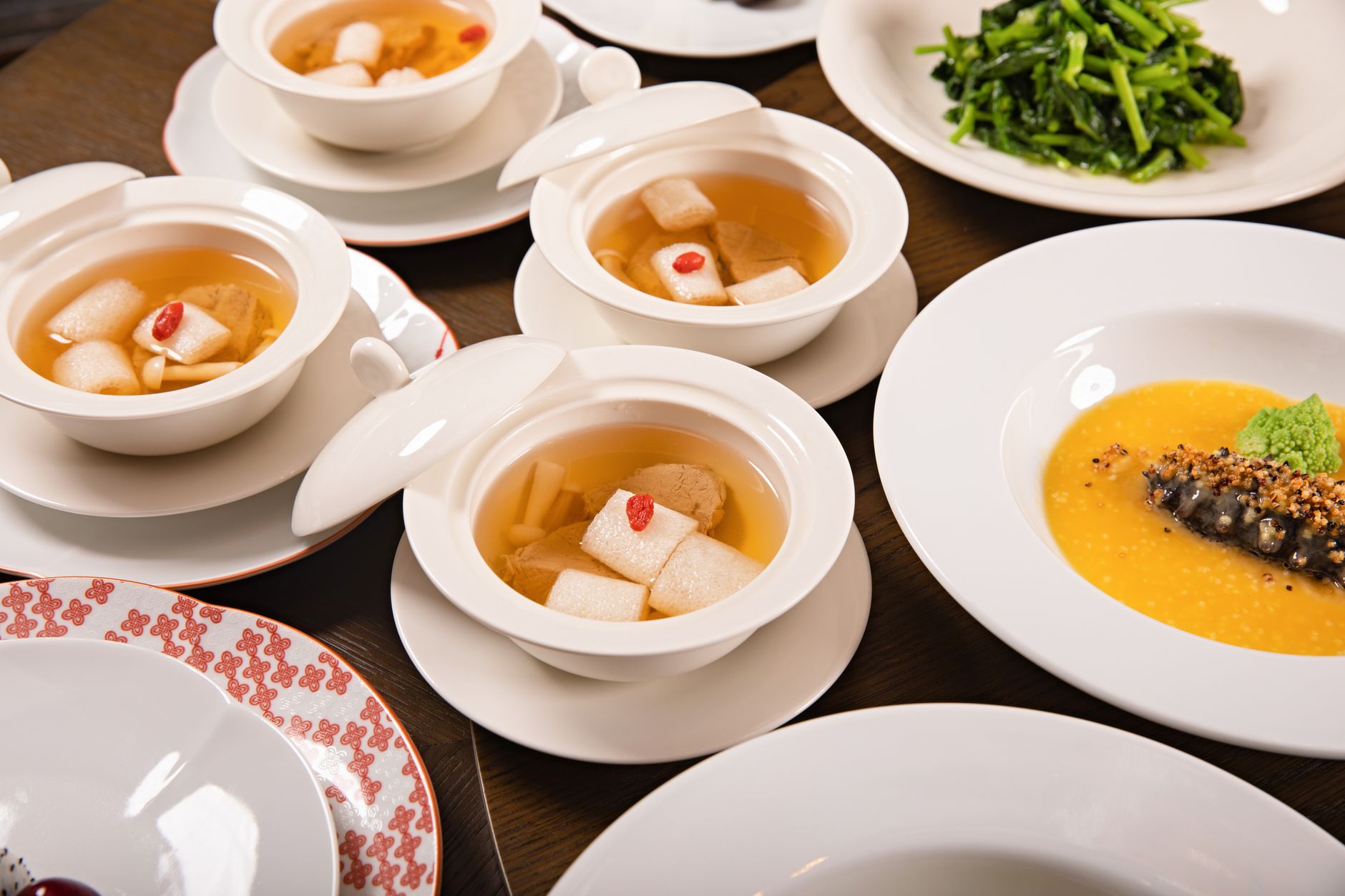
Yang sheng is rooted in Traditional Chinese Medicine (TCM) principles: specific foods warm or cool the body, support organ function, replenish qi, and address seasonal imbalances. A yang sheng menu might feature black sesame to nourish the kidneys, goji berries and red dates for blood enrichment, snow fungus for skin hydration, and bitter melon to clear internal heat.
This is not a Singapore-only phenomenon — TCM-influenced eating has been mainstream in Mainland China and Hong Kong for years. But Singapore's 2026 version is more sophisticated: it's crossing into fine dining and specialty café formats, targeting younger consumers who track sleep quality and metabolic health as closely as their investment portfolios.
Why Now
Three forces are converging. Post-pandemic wellness consciousness pushed functional food into the mainstream. The global rise of 'longevity culture' — driven partly by Silicon Valley biohacker discourse, partly by ageing Asian populations — made eating for health aspirational rather than remedial. And Singapore's dense concentration of TCM-literate consumers (roughly 55% of Chinese Singaporeans use TCM services regularly, according to MOH data) gives the trend a ready audience.
Where to Try Yang Sheng Dining in Singapore
Soup Restaurant (Shuang Tian)
Multiple locations | Price range: $$
Soup Restaurant has always leaned into traditional Chinese cooking, but its 2025-2026 menu revisions have sharpened the yang sheng framing. The signature Sam's Ginger Chicken — cold-served poached chicken with a ginger paste for dipping — is foundational comfort food with genuine TCM logic behind it: ginger aids circulation, chicken replenishes qi. The restaurant's broth-based dishes, including black chicken soups with herbs, are now explicitly positioned around nourishment rather than just flavour.
Imperial Herbal Restaurant
Level 3, Metropolitan YMCA, 60 Stevens Road | Price range: $$$
Singapore's most established TCM-dining crossover. Dishes are designed in collaboration with licensed TCM practitioners — every item has a stated wellness function. The Bird's Nest soups, ginseng dishes, and pu-erh braised meats are the anchors. Not trendy, but authoritative — and the clientele skews to those who've been doing yang sheng before it was a hashtag.
Yan Ting, St. Regis Singapore
29 Tanglin Road | Price range: $$$$
Yan Ting's seasonal menus rotate through health-forward ingredients — snow fungus, lotus root, winter melon — within a Cantonese fine-dining framework. The Double-Boiled soups are prepared using traditional slow-extraction techniques that maximise nutritional integrity. This is yang sheng for a corporate expense account.
Monk's Hill Terrace (Chir Chir Fusion Chicken Factory's Quieter Cousin)
Farrer Road area | Price range: $$
A neighbourhood Chinese restaurant that has quietly built a loyal yang sheng following through its house-made herbal soups and seasonal tong sui (sweet soup) offerings. Not on most tourist lists — that's the point. Locals from the surrounding landed estates come for the soup sets.
Dessert cafés and tong sui bars
Throughout Chinatown, Geylang, and Joo Chiat | Price range: $
The grassroots version of yang sheng dining is thriving in the tong sui (Chinese sweet soup) bars of Chinatown and Geylang. Black sesame paste, red bean soup, cheng tng (clear sweet broth with longan, barley, and sea coconut) — these are the affordable, everyday expressions of the same philosophy. The category has seen a minor revival as younger Singaporeans rediscover traditional desserts.
The 2026 Inflection
What's changed is the marketing language. Restaurants that have served herbal soups for decades are now communicating their offerings through a wellness lens — QR codes linking to TCM explanations, menu descriptors noting seasonal appropriateness, collaborations with practitioners for limited herb-forward menus.
Yang sheng isn't a fad. It's a deep cultural tradition that Singapore's dining scene is finally presenting with the confidence it deserves. The restaurants that do it authentically — not as an Instagram filter, but as genuine culinary philosophy — will be the ones still crowded in 2028.